

Moscow Government Brings Together Russian and International Experts to Discuss Urban Climate Resilience at COP31 in Antalya
The Russian Pavilion at the 31st session of the Conference of the Parties to the United Nations Framework Convention on Climate Change (COP31) hosted a thematic day entitled “Climate Resilience of the Urban Environment”, curated by the Moscow Government.
Four panel sessions brought together representatives of UN agencies, municipal authorities from Russia and other countries, development institutions, businesses and the academic community. Participants discussed practical solutions for helping major cities adapt to climate change and improving the quality of the urban environment.
The programme opened with a discussion entitled “Urban Ecosystems of the Future: Bringing Together Business, Local Authorities and Science for Climate Resilience”. Participants discussed cross-sector cooperation in developing climate strategies, introducing modern technologies and creating resilient urban infrastructure. The discussion involved representatives of the UN Human Settlements Programme (UN-Habitat), the Moscow Government, VEB.RF, Bauman Moscow State Technical University and the National Research University Higher School of Economics. The session was moderated by Natalia Dorpeko, Executive Director of the National Network of the UN Global Compact in Russia.
The session “Sustainable Development of Moscow: An Integrated Approach to a Climate-Resilient Megacity” examined the capital’s practices in the comprehensive development of the urban environment, including climate and environmental policy, transport infrastructure, digital management tools, circular economy principles and the training of qualified professionals. Participants included representatives of relevant Moscow Government departments and experts from Russian Railways (RZD) and SberCity. The session was moderated by Tatyana Naumova, Deputy Head of the Moscow Department for External Economic and International Relations.
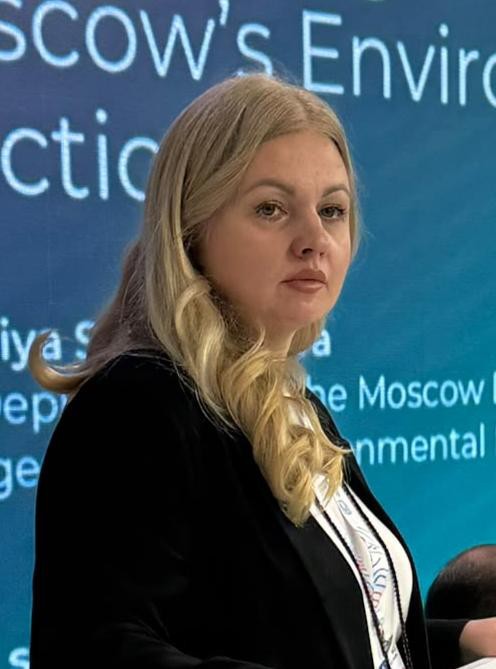
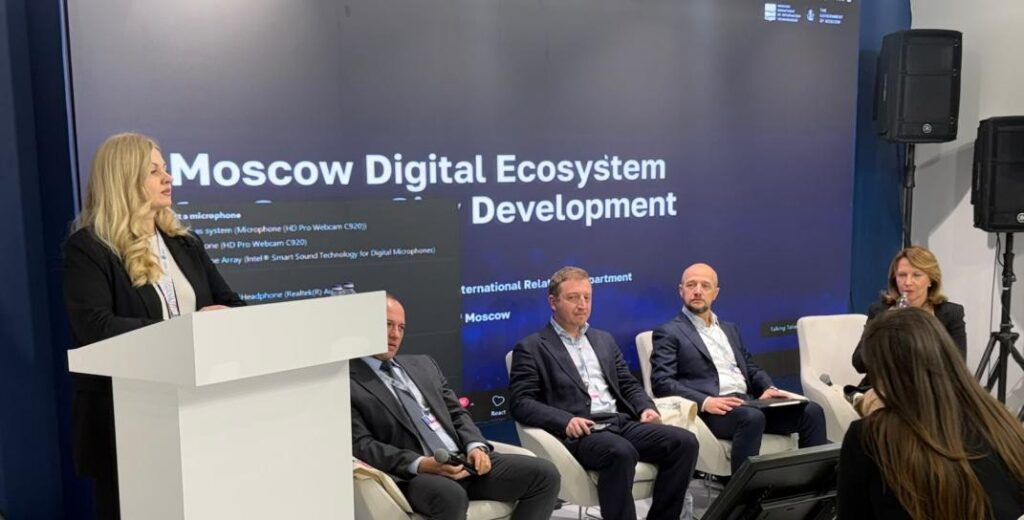
The panel “Climate Resilience Without Borders: Global Experience and the Power of Partnerships” focused on international cooperation. It was moderated by Vladimir Kuznetsov, Director of the United Nations Information Centre in Moscow. Representatives of the UN Economic and Social Commission for Asia and the Pacific, UN-Habitat, the Moscow Government and cities in Brazil, Malaysia and Türkiye exchanged approaches to adapting territories to different climatic and socio-economic conditions. Erfan Ali, Director of the UN-Habitat Regional Office for Eastern Europe and Central Asia, was the distinguished speaker.
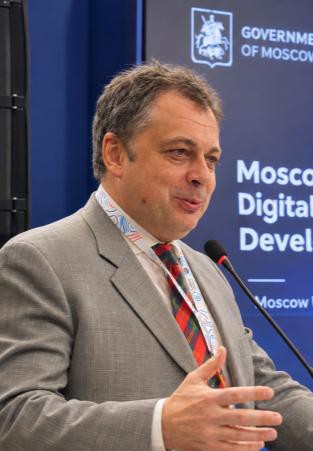
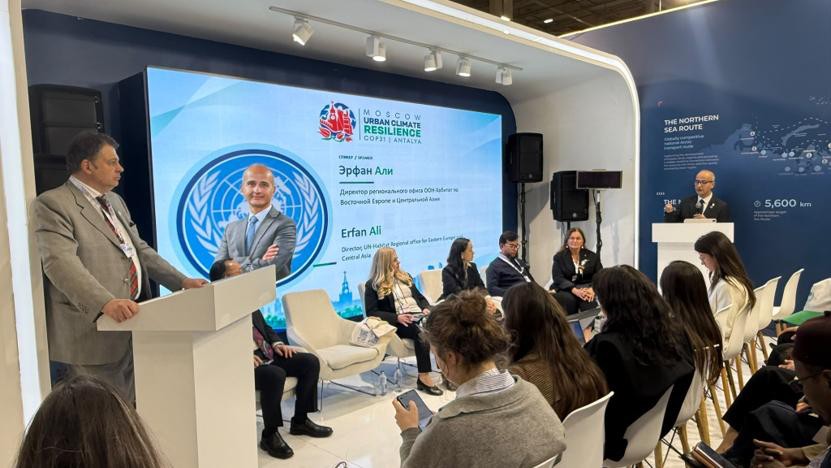
Particular attention was paid to city partnerships aimed at sharing solutions in sustainable infrastructure, preserving natural ecosystems and managing climate risks.
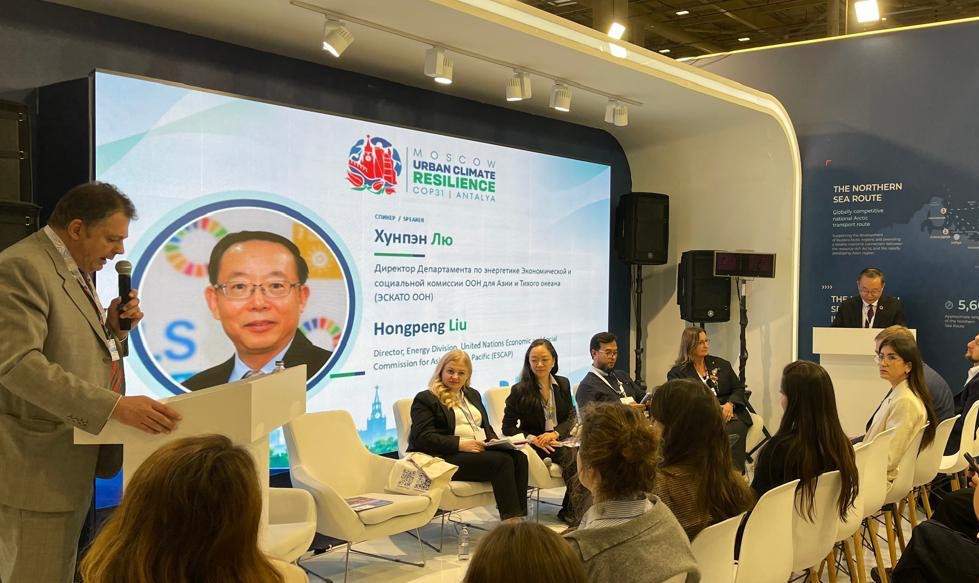
The concluding session, “Localising the Climate Agenda and the SDGs: Russian Cities and Regions as Actors in Implementation”, brought together representatives of Moscow, Tatarstan, Sakhalin and Sverdlovsk Regions, the Republic of Sakha (Yakutia) and the expert community. Participants discussed adapting national goals to regional conditions, assessing results and sharing successful practices. The initiatives presented included the Russian Association for UN Assistance programme “Regions of Russia and the UN Sustainable Development Goals”, implemented since 2009 with the active participation of Moscow; a regional SDG ranking compiled by MGIMO University and the Russian Association for UN Assistance; and Voluntary Local Reviews.
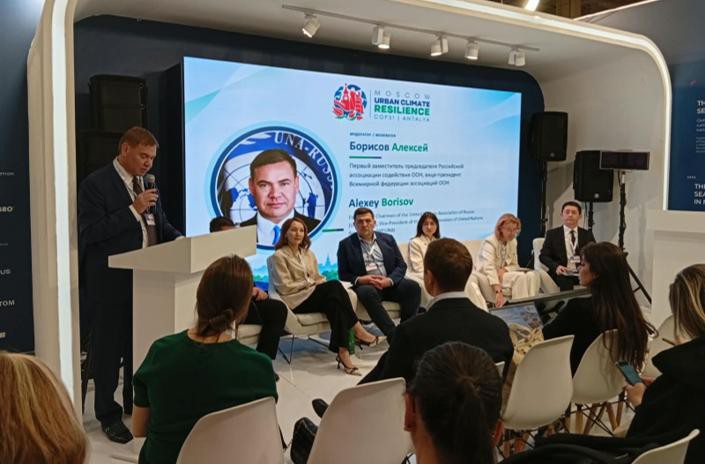
The programme, held under the auspices of the Moscow Government, highlighted the importance of sharing practical solutions and coordinating the efforts of cities, regions, academic institutions and businesses to create a climate-resilient urban environment.